
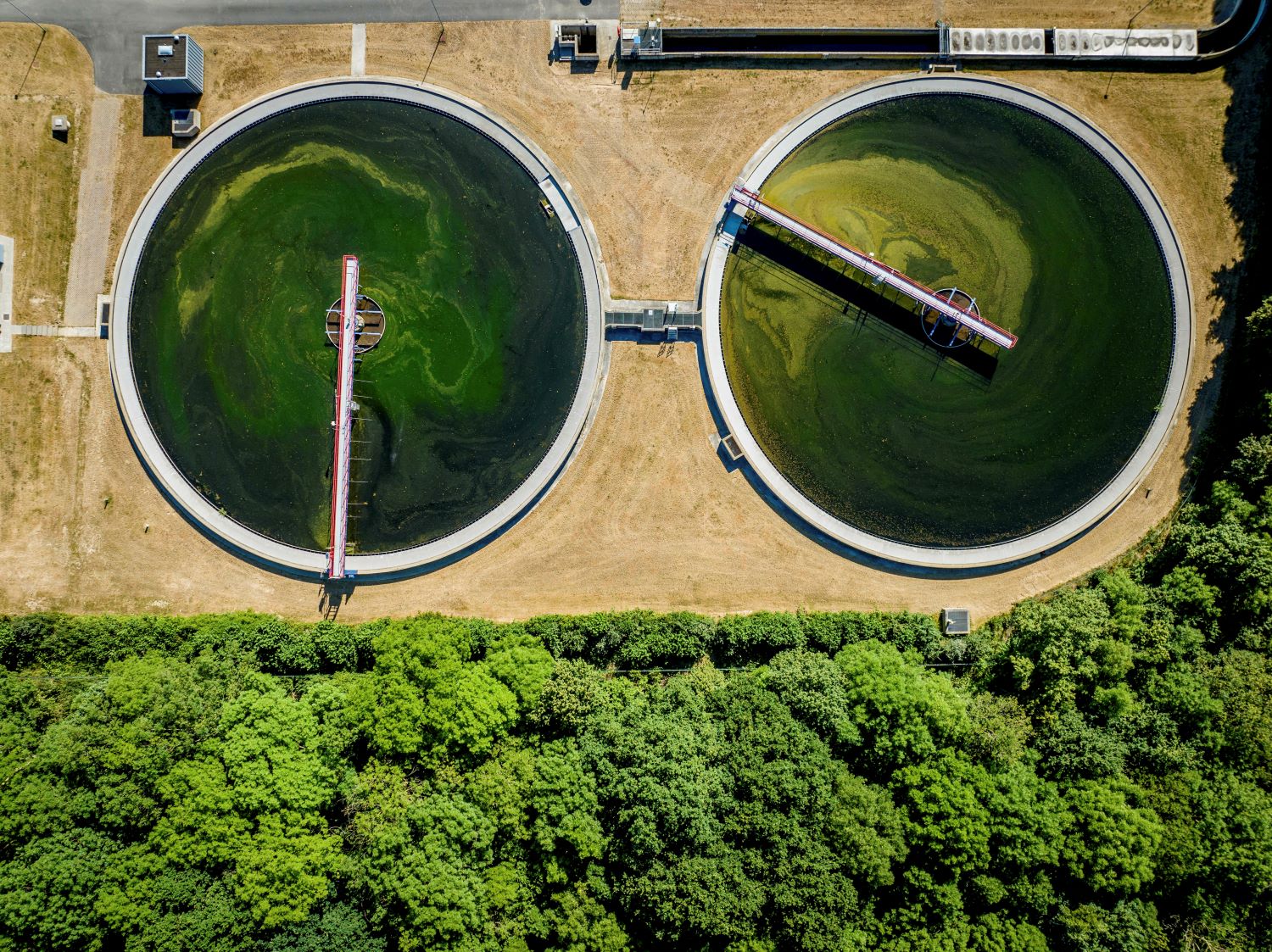
Pond Cleaning: Reducing the Impact of Wastewater Treatment
Pond Cleaning, or pond maintenance, is a crucial process in wastewater management. It mitigates the accumulation of sediments and contaminants in ponds, improving water quality and enhancing the pond’s efficiency in wastewater treatment.
Importance of Pond Cleaning
Ponds used in wastewater treatment accumulate sediments and chemicals over time due to the treatment processes. These accumulations can reduce the efficiency of wastewater treatment systems and become sources of contamination. Pond Cleaning removes these sediments and contaminants, ensuring cleaner water and restoring the system’s effectiveness.
Methods of Pond Cleaning
There are several methods for pond cleaning, including:
Sediment Removal
This involves removing accumulated sediments from the pond, which can be done mechanically or manually in smaller ponds.
Water Filtration
Using water filtration systems helps remove contaminants from the water, improving its quality.
Chemical Treatment
Chemical agents or microorganisms may be used to break down or neutralize pollutants in the pond, such as organic matter.
Benefits of Pond Cleaning
Pond Cleaning offers several key advantages:
Improved Water Quality
Removing accumulated sediments and chemicals makes the water in the pond cleaner and safer.
Enhanced Wastewater Treatment Efficiency
A clean pond with minimal sediment allows wastewater treatment systems to operate more effectively.
Reduced Environmental Impact
Removing sediments and contaminants minimizes the risk of toxic substances being released into natural water sources, preventing further contamination.
Extended Pond Lifespan
Regular maintenance prolongs the lifespan of wastewater treatment systems, preventing sediment accumulation from causing damage.
Pond Cleaning is an essential part of reducing the environmental impact of wastewater treatment. It improves water quality, boosts system efficiency, and mitigates ecological risks. Regular cleaning ensures that wastewater treatment systems function optimally and last longer, providing long-term sustainability.

